Scott Bennett
Founder and President, PALADEM LLC.
Creator of the Software Stewardship Framework™.
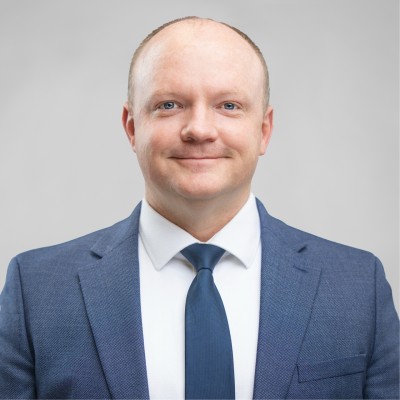
Scott Bennett has spent 26 years in progressive IT leadership, leading development teams and stewarding software across the organizations that depend on it. Since 2000 he has led development teams and stewarded software systems used by private-sector organizations including Thomson Reuters, HP, Tech Mahindra, AAA, Best Buy, Circuit City, Yamaha Music, See's Candy Shops, Hilton, and Westin, alongside a wide variety of small and mid-sized businesses. He began consulting independently in 2001, grew that practice by bringing in specialists for specific projects, and branded the firm as PALADEM in 2016. His work today continues that pattern: incremental modernization of complex, mission-critical systems, agentic AI integration, and long-term stewardship of the organizations that rely on them.
Scott also serves as Chief Information Officer for the Idaho Department of Labor and chairs the Idaho Information Technology Leadership Council (ITLC). Public-sector leadership has given Scott direct exposure to the kinds of compliance, risk, and stakeholder complexity that private-sector software teams too often underestimate.
Scott has stewarded software trusted by








The Software Stewardship Framework
The Software Stewardship Framework™ is the thesis Scott has developed across 26 years of leading software across industries, scales, and regulatory contexts. It is a trademarked methodology for guiding mission-critical software across its full lifecycle through eight interconnected pillars: Product, Project, Experience, Engineering, Quality, Operational, Security, and Business Stewardship.
The framework's structure came from pattern recognition. The problems that cause high-impact systems to decay, the decisions that determine whether a modernization lands or fails, the architectural debts that compound silently for a decade: these are not industry-specific. They show up in a marketing technology platform for accounting firms, in an ecommerce system that has to survive peak holiday traffic without a hiccup, in an auction and trade-in platform supporting national retail, in a hospitality reservation system, and in a statewide unemployment benefits system. The specifics differ. The stewardship discipline that separates survivable software from unsustainable software does not.
As large language models and coding agents commoditize code generation, that observation has sharpened rather than dulled. When any team can produce code cheaply, the durable advantage shifts to the teams that steward the system well, architecting, testing, operating, securing, and governing it across the lifecycle. PALADEM applies the Software Stewardship Framework on every engagement.
General Principles, Unique Context
The Stewardship Framework's eight pillars are general principles. The craft lies in applying them to a specific organization: what the software is actually for, who depends on it, where the risk lives, what the team that has to maintain it can reasonably hold. Scott's practice is deliberately holistic. The goal is never to impose a one-size-fits-all methodology. It is to bring disciplined stewardship thinking to bear on the unique shape of a given organization's systems, people, and constraints.
That perspective comes from having sat on many sides of the table. As a program and engineering leader on global multi-tenant platforms, Scott learned how scope and release discipline either protect or destroy a high-availability product. Running ecommerce for national retail and hospitality brands taught him that operational and security stewardship are not back-office concerns: they are the reason a business survives a bad Tuesday afternoon. Public-sector technology work has reinforced how compliance, accessibility, and public-accountability obligations shape architecture choices that a purely commercial lens would miss. Each of those contexts has its own failure modes, and each has informed a different part of the stewardship practice PALADEM offers today.
Work Today
At PALADEM, Scott leads Fractional CTO and CIO engagements for mid-market companies that need executive technology leadership without the cost of a permanent hire. He advises on digital platform strategy, CMS and web modernization, cloud architecture, and the integration of agentic AI into systems that cannot afford to be disrupted. He conducts technical due diligence and oversees domestic and offshore engineering partnerships on modernization projects that stretch across multiple years. The common thread is long-horizon accountability: software that has to work next year, next decade, across leadership transitions and market shifts.
He writes about software stewardship, incremental modernization, and the practical realities of integrating AI into production systems. Bylined articles are published on the PALADEM Articles hub as they are completed.